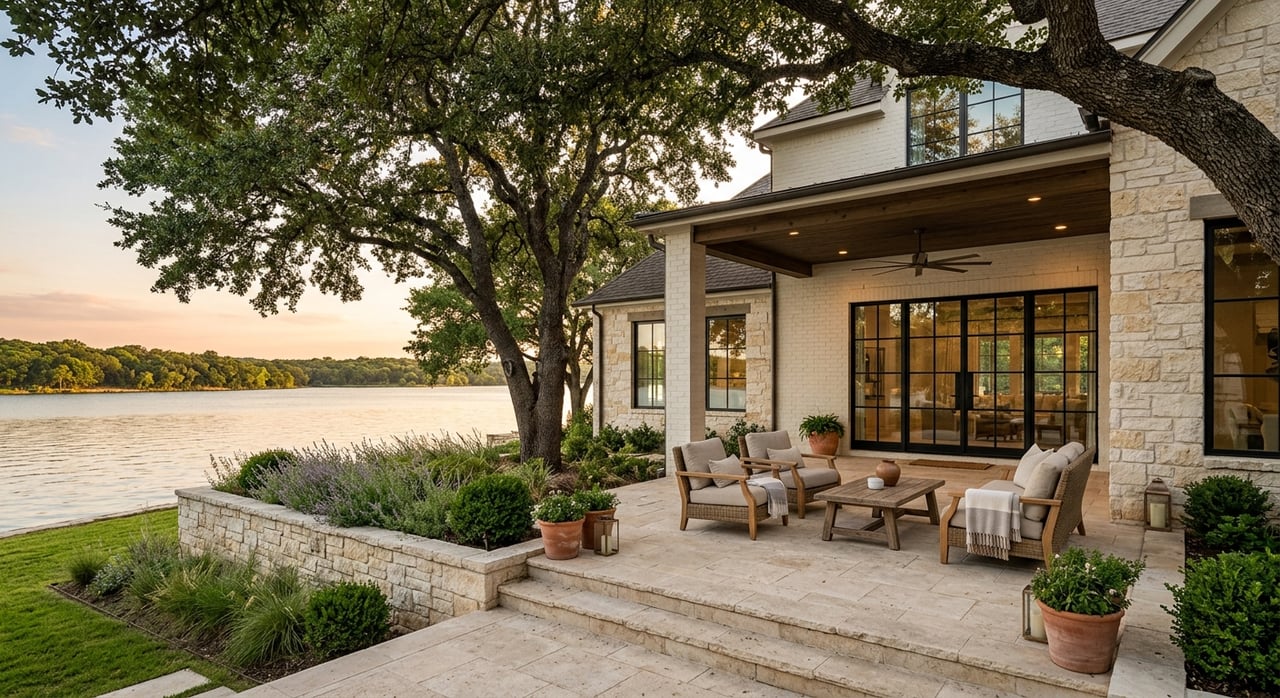
Dreaming about a weekend place near the water in the Hill Country? A second home around Marble Falls can offer an easy escape, but it also comes with a different set of decisions than buying your primary residence. If you are considering a lake-area property here, it helps to understand the lake itself, your ongoing costs, and the maintenance and insurance issues that often catch buyers off guard. Let’s dive in.
Understand Lake Marble Falls First
Before you buy, it helps to picture what Lake Marble Falls actually is. According to the Texas Water Development Board, Lake Marble Falls is a reservoir on the Colorado River near Marble Falls in Burnet County, owned and operated by LCRA for hydroelectric power and water supply.
In simple terms, it is a roughly 610-acre lake, not a massive open reservoir with miles of broad shoreline. The Texas Parks and Wildlife Department describes it as having a narrow, river-like shoreline with steep rock bluffs or boulders and relatively few docks or boathouses.
That matters if you are picturing a second home with direct water access, a private dock, or a boating setup. In this area, lake living can feel more intimate and terrain-driven than buyers expect, so the details of each property matter.
What the lake setting means for buyers
A lake-area second home in Marble Falls is often more about access, views, and lifestyle than wide-open shoreline. Some homes may offer convenient proximity to the water without the classic large-lot lakefront layout you might imagine elsewhere.
If boating is part of your plan, the lake also has its own operating realities. TPWD notes that zebra mussels are present in Lake Marble Falls, and boat owners are instructed to clean, drain, and dry boats and gear before moving them to another water body.
Plan for weather and flood awareness
Owning near the water in Central Texas means paying attention to weather risk. The National Weather Service says South Central Texas is commonly called Flash Flood Alley, and flash flooding is the region’s leading weather-related fatality risk.
That does not mean every lake-area property is in immediate danger, but it does mean flood awareness should be part of your buying process. After major flood events, LCRA has warned people to stay off Lake Marble Falls and nearby lakes because of debris, strong flows, damaged navigation buoys, and higher bacteria levels.
Check flood information before closing
One of the smartest steps you can take is to review flood information early. The Texas Department of Insurance explains that standard homeowners insurance does not cover flood damage, so flood coverage is a separate policy.
The same guidance points buyers to FEMA’s official flood mapping tools for hazard information. Even if a home feels elevated or sits back from the shoreline, it is worth reviewing the flood map before closing, not after move-in.
Know the real carrying costs
Many buyers focus on the purchase price and underestimate the annual cost of keeping a second home. In Texas, property taxes are set and collected by local taxing units, and the Texas Comptroller makes an important distinction for second-home owners.
The general residence homestead exemption applies when the property is your principal residence. The same basic rule applies to age 65+ and disabled residence homestead exemptions. If your Marble Falls property is a getaway or part-time home, you generally should not expect those homestead-style tax savings.
Why this matters for your budget
That means your second home may cost more to carry than your primary home, even if the homes are similar in value. When you are comparing options, it is wise to look at the full monthly and annual picture, including:
- Property taxes
- Homeowners insurance
- Possible flood insurance
- Utilities
- Landscaping and exterior upkeep
- Seasonal repairs
- Boat or dock-related expenses, if applicable
A second home should support your lifestyle, not surprise you six months after closing. Clear budgeting up front can help you buy with more confidence.
Prepare for vacancy and seasonal maintenance
A second home has a different rhythm than a full-time residence. If the property will sit empty for stretches, you need a plan for routine check-ins and preventative care.
The Texas Department of Insurance home insurance guide says many companies stop coverage if a house is vacant for 60 days or more, though liability coverage may continue. That is why it is so important to tell your insurer how often the home will be unoccupied and confirm exactly what your policy allows.
Winterize before a freeze
Even in Central Texas, freeze prep matters. The Texas Department of Insurance winter safety guidance advises owners leaving before a freeze to turn off water at the shutoff valve and leave the heat on.
That same guidance recommends wrapping indoor and outdoor pipes in unheated areas, draining sprinkler systems, and opening sink cabinets so warm air can reach pipes. It also warns that some policies may not pay for frozen-pipe damage if you did not take steps to protect the plumbing.
Create a second-home care checklist
Because a lake-area home may sit empty for weeks at a time, it helps to build a simple property-care routine. Your checklist might include:
- HVAC checks
- Plumbing checks
- Pest control visits
- Landscaping or tree trimming
- Exterior inspections after storms
- Dock, lift, or boat equipment checks if applicable
A second home is rarely a pure lock-and-leave property. The more proactive your plan, the easier ownership usually feels.
Match your insurance to how you use the home
Insurance for a second home is not one-size-fits-all. The biggest issue is making sure your coverage matches how often you are there, how long it stays empty, and whether anyone else will use it.
As noted above, flood insurance is separate from standard homeowners coverage. If the property is financed and located in a high-risk flood zone, flood insurance may be required for federally backed mortgages, according to the Texas Department of Insurance flood insurance overview.
If you want occasional rental income
Some buyers hope to offset ownership costs by renting the property out now and then. Before you make that part of your plan, check both your insurance and local rules.
The Texas Department of Insurance guidance on home sharing says homeowners insurance probably will not cover costs if a guest gets hurt or causes damage while staying in your home. It also notes that landlord insurance is mainly designed for traditional long-term leases and may not fit short-term rental use.
Review Marble Falls short-term rental rules
If your second home is inside Marble Falls city limits and you plan to rent it for short stays, you need to verify the city requirements. The City of Marble Falls short-term rental page defines short-term rentals as lodging stays of fewer than 30 consecutive days in residential zoning districts.
The city requires short-term rental registration, a permit, and hotel occupancy tax compliance. In other words, weekend rental use is not something to assume. It is something to confirm before you buy or before you market the property for guests.
Questions to ask before you buy
If rental flexibility matters to you, ask these questions early:
- Is the property inside Marble Falls city limits?
- Will your intended use fall under the city’s short-term rental rules?
- Does your insurance support that use?
- Are you prepared for registration, permitting, and tax compliance?
These answers can shape which property makes the most sense for your goals.
Think lifestyle and logistics together
A second home should feel like a reward, not a puzzle. In Marble Falls, that means balancing the fun parts, like lake access, boating, and Hill Country weekends, with the practical parts, like taxes, vacancy planning, flood review, and insurance details.
When you approach the search with both lifestyle and logistics in mind, you are much more likely to find a property that fits how you really want to use it. That kind of clarity can make the process smoother from day one.
If you are exploring lake-area or lifestyle property in Marble Falls and want practical guidance from a local advisor who values clear communication, personalized service, and careful due diligence, connect with Teresa Byrn.
FAQs
Can I claim a homestead exemption on a Marble Falls second home?
- Usually no. The Texas Comptroller states that residence homestead exemptions generally apply only to your principal residence.
Do I need flood insurance for a Marble Falls lake-area home?
- Standard homeowners insurance does not cover flood damage, according to the Texas Department of Insurance, so a separate flood policy is worth reviewing even if the property is not in the highest-risk zone.
What happens if my Marble Falls second home sits empty for long periods?
- The Texas Department of Insurance says many policies change if a home is vacant for 60 days or more, so you should tell your insurer how the property will be used.
Can I rent out my Marble Falls second home on weekends?
- Possibly, but if the property is within Marble Falls city limits, the city requires short-term rental registration, a permit, and hotel occupancy tax compliance.
What lake-specific upkeep should I expect near Lake Marble Falls?
- Expect regular property checks, freeze preparation, flood awareness, and for boats or trailers, TPWD’s clean, drain, and dry zebra mussel precautions outlined on the Lake Marble Falls information page.
